Jitterbug: A Playful Handwritten Font for Joyful Branding
As I opened a new brand board for a local café, I knew I needed something special to capture the cozy, welcoming vibe. That's when I stumbled upon Jitterbug, an adorable and quirky handwritten font. Its playful style immediately caught my eye, and I was eager to see how it would transform the café's visual identity.
Visual Characteristics and Personality
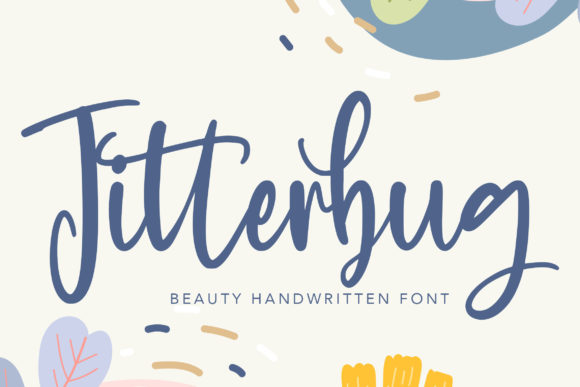
Jitterbug is a premium font that exudes a joyful and whimsical charm. The handwritten style is lively and energetic, with slightly uneven strokes that add a personal, handcrafted feel. The letters have a bouncy, almost dancing quality, which makes it perfect for adding a touch of fun and creativity to any design. The overall appeal is warm and inviting, making it ideal for brands that want to convey a friendly and approachable image.
Performance in Branding and Design
I started by testing Jitterbug on a logo concept for the café. The result was delightful. The font's playful style perfectly complemented the café's name, "Cozy Corner." It added a unique, memorable touch that stood out from more traditional serif or sans serif fonts. For the brand board, Jitterbug worked beautifully as a headline font, creating a strong visual hierarchy and drawing attention to key elements like the tagline and section headers.
Next, I moved on to packaging mockups. Jitterbug looked fantastic on the café's coffee bags and pastry boxes. The handwritten style added a personal, artisanal feel, making the products appear more special and handcrafted. On business cards, the font's legibility at smaller sizes was surprisingly good, though I did find that it worked best for short phrases and names rather than long text.
In web design, Jitterbug shone in the hero section and other prominent areas where a bold, eye-catching font was needed. It created a strong first impression and set the tone for the rest of the website. For social media graphics, the font's playful personality made posts more engaging and shareable. Whether it was a promotional post or a simple update, Jitterbug added a touch of joy and creativity.
Best Uses and Limitations
Jitterbug is best used as a display font, headline font, or accent font. It works wonderfully for logos, product labels, and short phrases where its playful style can be fully appreciated. However, due to its handwritten nature, it may not be the best choice for long body text or formal corporate documents. The readability can become a concern in smaller sizes or when used in large blocks of text.
For projects that require a more professional or formal look, Jitterbug might not be the ideal choice. It's perfect for creative and casual brands but may not fit well with a more serious or corporate image. Always test the font in different contexts and sizes to ensure it meets the project's needs.
Font Pairing and Practical Advice
When it comes to font pairing, Jitterbug works well with both serif and sans serif fonts. A clean, modern sans serif can provide a nice contrast and balance, while a classic serif can add a touch of elegance. For example, pairing Jitterbug with a sans serif like Montserrat or a serif like Merriweather creates a harmonious and visually appealing combination.
Before using Jitterbug in client work, it's essential to check the commercial font licensing. Ensure that the font is licensed for the specific use, whether it's for brand identity, packaging, templates, merchandise, websites, digital products, or print-on-demand products. This step is crucial to avoid any legal issues and to ensure that your designs are fully compliant.
Lastly, take advantage of any included styles, alternates, ligatures, and swashes. These additional features can add even more personality and uniqueness to your designs. Jitterbug also offers multilingual support, making it a versatile choice for international projects.
In conclusion, Jitterbug is a charming and playful handwritten font that can bring a joyful and creative touch to your branding and design projects. Its unique style and versatility make it a valuable addition to any designer's toolkit, especially for those looking to add a personal, handcrafted feel to their work.